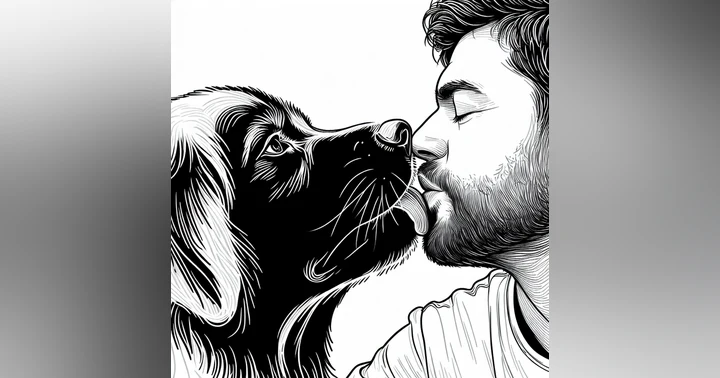
Intertwined Lives: Animals, Humans, and the Dance of Zoonotic Diseases


 Spotify
 Amazon Music
 Apple Podcasts
 Podcast Addict
 Deezer
 Podchaser
 PlayerFM
 Gain a deeper understanding of the intricate connections between humans, animals, and the environment as we explore the One Health concept. Picture the harmony of adding a curious chameleon to our office or the joy of raising a lamb on a farm, and discover how these experiences underscore the vital interplay between species. Together, we unravel the complexities of zoonotic diseases, emphasizing the crucial balance needed to maintain a healthy ecosystem, while sharing compelling personal stories that bring the science to life.
Journey with us through the world of infectious diseases tied to our animal companions, from the salmonella lurking on reptiles to the risks posed by cats. We highlight the precautions necessary for those with vulnerable immune systems, offering insights into living safely with pets and wildlife. Explore the unique challenges of practicing medicine in bustling port cities, where unexpected diseases like murine typhus lurk, and learn about the biosecurity measures that protect both human and animal health in diverse environments.
Discover the profound benefits and responsibilities of pet ownership, from the heartwarming stories of the incarcerated training service animals to the comfort therapy dogs bring in hospitals. We emphasize the importance of vaccinations and responsible care, offering practical tips and trusted resources to ensure the safety and well-being of all involved. Stay engaged with the Infectious Science community as we invite you to subscribe, share your thoughts, and remain curious about the fascinating interplay between humans and the natural world.
Thanks for listening to the Infectious Science Podcast, we hope you enjoyed this episode. You can find more cool science content on infectiousscience.org.
Please leave us a review and share this episode with others who may be interested, and don’t hesitate to ask us questions or tell us which topics you want to hear covered in future episodes.
Thanks for listening to the Infectious Science Podcast. Be sure to visit infectiousscience.org to join the conversation, access the show notes, and don’t forget to sign up for our newsletter to receive our free materials.
We hope you enjoyed this new episode of Infectious Science, and if you did, please leave us a review on Apple Podcasts and Spotify. Please share this episode with others who may be interested in this topic!
Also, please don’t hesitate to ask questions or tell us which topics you want us to cover in future episodes. To get in touch, drop us a line in the comment section or send us a message on social media.
Twitter @Infectious_Sci
Instagram @tick_virus
Facebook Infectious Science Podcast
See you next time for a new episode!
00:09 - One Health and Animal Stories
05:40 - Infectious Diseases and Animals
13:08 - Pets and Zoonotic Infections
20:07 - Wild vs. Domestic Animal Health
22:56 - Animal Health Biosecurity and Zoonotic Diseases
35:03 - Health Benefits and Responsibilities of Pets
40:53 - Engaging With Infectious Science Podcast
One Health and Animal Stories
Speaker 1This is a podcast about One Health the idea that the health of humans , animals , plants and the environment that we all share are intrinsically linked .
Speaker 2Coming to you from the University of Texas Medical Branch and the Galveston National Laboratory .
Speaker 1This is Infectious Science . Where enthusiasm for science ?
Speaker 2is contagious .
Speaker 3All right . Hello everyone , Welcome to this new episode of Infectious Science . We're super excited to be here . How are you doing ?
Speaker 4Good , good Thanks . How are you ?
Speaker 3Living the dream , afraid I'll wake up .
Speaker 4Yeah . How are the experiments going in the lab ? Good , yeah , yeah . What's new for you ? Yeah , guess what . I just decided to buy a new pet from my office .
Speaker 2Oh , what'd you get ?
Speaker 4You guys know that I collect tarantulas . Right , I obviously have my cat at home and dog and so on , but I'm also into collecting tarantulas . So the other day I was at a very large national pet store I'm not going to say the name here . No free advertising on Infectious Bites . And I wanted to get a tarantula but I saw they had a chameleon , so I got a chameleon and always wanted to have a chameleon , and it's now in the tank in my office .
Speaker 5So just your average Wednesday going out buying a chameleon .
Speaker 3Average Wednesday for a bit .
Speaker 4To be fair , I had the tank , I had the plants growing in the tank , and so on , so it was always on my mind to get one of those .
Speaker 3Prepared A prepared impulse buy . Yes , those prepared a prepared impulse buy . Is that what you're ?
Speaker 4saying . Is that an oxymoron ? I I don't know . Yes , okay . So I actually was reminded of the podcast , believe it or not , when I bought the chameleon , because they make you sign the , the contracts , and when you buy an animal button . They also give you this little pamphlet that's entitled understanding zoonotic diseases , and I think I don't know if that's a new thing or not , but I think I was interested in that and it gives you an overview of zoonotic diseases . For the listeners that don't know what a zoonotic disease is , it means a disease that can be transmitted or go from an animal to a human or from a human back to an animal , and the pamphlet talks about that and it gives you some recommendations on proper hygiene and what you should teach your children and so on , what you should do with your pets , vaccinations and so on . I thought it was very neat . I don't know if that's a new thing . Like you , guys have pets .
Speaker 5Yeah , I've only ever had cats , dogs , the occasional goldfish . I know Camille has some pretty crazy pet stories . Growing up on a farm Camille care to share one .
Speaker 3Yeah , as Christina mentioned , I grew up on a livestock farm and at one point I had a lamb so a baby sheep , for anyone who's listening and he was rejected by his mother so I had to bottle feed him and it was the middle of winter that was when he was born , so it was like January in New York , so it's super , super cold . So I actually brought him in the house and he lived in our downstairs house and he was actually house , trained him . He followed our dogs around . When our dogs went outside , he went outside with them . He'd come when you called him . He would try to eat dog food and how dogs circle before they lay down . He picked up on that behavior and he would do it and he would lay at your feet . So he would lay at my feet while I was doing my homework . So that was sweet .
Speaker 3But the best thing about this lamb was that he wouldn't come when my brother called him . It was only when I did it . So even though my brother would try to like mimic my voice by doing like a falsetto and just being like come here , like this lamb , like totally ignored him , like completely knew it wasn't me , would just like absolutely continue on grazing out in our front yard like just absolutely left him alone . So he was in the house for like I think , three or four months until it was warm enough for him to like actually go outside . But he was totally . He was basically like a dog .
Speaker 5I've heard of indoor outdoor cats , indoor outdoor dogs . Never heard of indoor outdoor lambs .
Speaker 3You see more farm friends . That's true , yeah .
Speaker 4What happened to the lamb ultimately ?
Speaker 3He was really good . I loved him . He was just like he was so well-trained , but he actually . For many years I used him as my show sheep , oh cool . And so he was what other young people who wanted to learn on how to handle larger animals . Sheep aren't huge , but if you're like , I don't know , six or seven , they seem pretty big .
Speaker 1They're like the same height as you .
Speaker 3He was so docile , so they he actually learned a lot of people learned how to work with animals with him and also how to groom them properly , because that's the thing you do , only for showing , really , or like how to shear .
Speaker 5I made the yarn from his wool I like spun it on like a hand loom and everything . It was a whole thing but yeah , but he eventually passed . Growing up in San Antonio , south Texas , we do have high schools that are thoroughly involved in livestock and stuff like that , but I'd always heard of them using goats , so it's really cool that probably in texas you do use goats because it's probably too hot down here .
Speaker 3That makes sense , I didn't think about that , yeah but you there's , yeah , a lot of goat species are like more evolved to live in this , but if you , even if you , like , sheared sheep down here , I wouldn't keep them like it's like 91 outside right now , but it's humidity , I think . But they do so well in the northern states because it's so cold , but they're really fun .
Speaker 4Did I ever tell you guys that I was an instructor for a baby goat yoga for two years ?
Speaker 5No , no , this is untold stories from your past . I didn't even know you did yoga .
Speaker 4I'm not the yoga type . No , that was a joke , but I know it's a thing that people do .
Speaker 5I've seen it . I want to do it . I've also seen like alpaca yoga . Yeah .
Speaker 3I feel like the people who want to do that are the people who've never had to like chase down goats , because they've gotten out of their enclosures , goats are escape artists , serious escape artists Goats are pretty wild , I'm not going to lie .
Infectious Diseases and Animals
Speaker 4So . So , since this is a podcast on infectious diseases , what infectious diseases do you think you could have gotten from that lamb , and how ?
Speaker 3Yeah , there's not a ton I'd worry about with sheep If you were taking them to move them across state lines or anything . You have to test them for scrapies , but that's not , as far as I know , communicable to humans . Not a ton that I would worry about with sheep at least sheep if you're not transporting them internationally . I'm sure there are Actually I know there are and you can probably talk more about this but there's certain diseases that can be carried by small ruminants that we do worry about , but they're not in the United States as much . Yeah , If I was working with pigs or cows or something like that , I could definitely give you a list , but from lambs , nothing I super worry about Not too many that come to mind .
Speaker 4right , I can think of lauping ill , which is the flavivirus , but it's only found in the UK or parts of Europe .
Speaker 5Yeah , it's not here , I can think of an infection that is particularly pertinent to amphibians and reptiles , though , dennis , and considering you have a chameleon , I can imagine you would be slightly concerned .
Speaker 4Yes , and I also have a tortoise . You have a tortoise ?
Speaker 5as well . There you go , yeah , what kind of tortoise . A .
Speaker 4Greek tortoise .
Speaker 5I don't know what that looks like . I don't know what that looks like , how big is your tortoise .
Speaker 4Maybe yeah , they can't see that Maybe like two . I don't know . What is that ? Maybe a sign of a man , A sign of Victor Wimbanyama's hand .
Speaker 5Yes , yes , for all my basketball fans . But yeah , the bacteria that comes to mind is salmonella , and I'm pretty sure a lot of our listeners have heard of , if not encountered , salmonella in their own lives .
Speaker 4Wait a minute . Salmonella is something that I associate with eggs or chicken , cooked chicken , so that's why we wash the cutting boards where we cut our chicken quickly afterwards , because that's the place . So reptilians and salmonella .
Speaker 5Yeah , so reptiles and amphibians actually have salmonella naturally on their skin and then also in their digestive tract . So whoever's actually handling the reptiles , the amphibians ? If you're cleaning their environment , if you're picking up their waste , you can actually find salmonella in their feces , in their environment .
Speaker 3So wash your hands after you cuddle your chameleon Absolutely my chameleon doesn't want to be cuddled . That's fair when .
Speaker 4I reach in there , so all reptiles have salmonella or is this just a precautionary measure or two ?
Speaker 5I think it's just a precautionary measure in general that they could . I did not look up . It's like the same thing with eggs .
Speaker 3I feel like you should always cook your eggs to a safe temperature , because they could have salmonella . If you're handling reptiles , whether it's a chameleon or a snake or something , it could have salmonella . Whenever I've handled snakes because I love snakes , I think they're really cool I'm always sure to , like , I don't know , wash my hands , Don't touch your face , especially little kids is more what you would worry about with being like touching it and then touching their mouth , or their hands and then touching their mouth .
Speaker 4So are you saying , Camille , that I should cook my reptile to a safe temperature ?
Speaker 3I do not recommend coming with your reptile . I feel like for some reason I don't think chameleons are actually endangered , but the idea of that is horrifying to me .
Speaker 4That was obviously a joke . Don't , don't .
Speaker 3It's going to taste like chicken , isn't that what people say ?
Speaker 5No , honestly I didn't realize it , but apparently there's an estimated like one , almost one and a half million cases of salmonella that are reported annually .
Speaker 1Yeah , and it is still the leading cause of death for foodborne illnesses .
Speaker 5So it really is something that's super pertinent in our civilization today , in our society . And symptoms like we know diarrhea , vomiting , fever , abdominal pain . So if you've been handling a reptile and you start feeling that go get yourself checked out , okay , a reptile dentist and you start feeling that go get yourself checked out , okay . I will say typically the more serious infections tend to really take place in patients with immunocompromised states or immunosuppression . But if you do start feeling any symptoms or anything like that , go to the doctor because overall you can get it treated with some antibiotics , fluids because overall you can get it treated with some antibiotics fluids .
Speaker 4So , christina , you're saying it's in the GI tract , so it's probably mostly in the feces of the animals , right ?
Speaker 5Yeah , so it's on the skin , and then you'll also find it on the feces . Oh okay , okay I think it's interesting .
Speaker 3I'm looking at this pamphlet you got and it's interesting that they don't mention that immunocompromised people are more likely to be at risk . I would expect that to be in there because , particularly like they have a whole section on like when children are handling pets , because like they're more at risk group , not because they're more likely to get sick , but because they're more likely to like , handle them and then touch their face or their eyes or something . So it's curious because that's something that for a lot of infections anyone who's ?
Speaker 3immunocompromised is more likely to get them from a pet ?
Speaker 5Absolutely , and that's actually something that we look for clinically when we're going to diagnose an immunocompromised patient . These infections that normally wouldn't surface in people with sufficient immune systems they start surfacing and once you see one , two , three of these infections , a light goes off and you start to test for immunocompromisation .
Speaker 3Yeah , and that's I know . I'm someone , I have two cats and that's something I know when people talk about like toxoplasma or something like that .
Speaker 5It's considered a torch disease , which are like a handful of diseases that basically can cause really detrimental effects to the newborn , and so toxoplasma itself causes this classic triad of symptoms that we see . So you have retinocoroiditis , which is an inflammation of the retina and of the choroid , and it can lead to just like really threatened vision . Hydroslephilus , which is an increased , basically cranial pressure due to an increase of fluid in the baby's head , and that can lead to a whole bunch of things like really severe headaches , obviously convulsions , so seizures , and then intracerebral calcifications as well , which can lead to a bunch of different things like cognitive impairment , psychiatric disabilities , things like that in the baby , and it can be pretty severe .
Speaker 4And so when you say Christina , torch disease , you obviously don't mean the British English version of a flashlight . So what does TORCH stand for ?
Speaker 5Yeah . So TORCH stands for , the T is for toxoplasma , o is for other , which stands for syphilis , parvovirus , hiv , the R is rubella , the C is cytomegalovirus and the H is herpes simplex virus . So when a patient is pregnant , oftentimes they will preemptively be tested for these infections , just to protect the fetus itself , that's interesting .
Speaker 3I didn't know about cytomegalovirus . That's really common . We isolate PBMCs in our lab so those are a specific type of cell that we're isolating from the blood so we can grow a virus in the lab and propagate it and cytomegalovirus , so we just call it CMV . And a lot of the blood that clinics get is CMV positive because people have had cytomegalovirus at some point and so , like you have to specifically ask and then it's rare to get that , you get CMV negative blood . So that's interesting . I didn't know it was a torch infection , but it's really common , yeah , yeah absolutely .
Speaker 5Wow , I didn't know that . That's crazy to me , yeah .
Speaker 4If you listeners out there , if you're interested to learn more about toxoplasmosis , which is a fascinating disease it's not fascinating as a disease , but the transmission cycle and all that stuff Please go back to our episode that we did in season one , where we talk about how toxoplasma can control the behavior of mammalian species . Super , super interesting , fascinating story Cats . Is there anything else that we have to be concerned about ? Which cats can ?
Speaker 5transmit Cats themselves . They can transmit a whole lot . Just talking about toxoplasma real quick , Because she's a dog person
Pets and Zoonotic Infections
Speaker 5. I am a dog person , but I do appreciate cats .
Speaker 3I respect them is the way that I say it . That's how cats want to be treated .
Speaker 5Yes , exactly , so we get along okay .
Speaker 5We vibe . But I will say that toxoplasma , aside from just being transmitted by cats in the feces right , you can also get it from eating undercooked meat too . But yeah , going back to things that cats can transmit to us , I think we've all potentially heard of cat scratch fever . It's a great song and the fever is actually due to Bartonella , which is also a bacterium , specifically Bartonella henselae , and so basically the way that cats get this in their nails is that the fleas that are on cats infected cats are the source of the Bartonella and cats are scratching themselves from the fleas , so they basically get the bacterium on their claws and then , if you get scratched by an infected cat , you're basically introducing the bacteria into an open wound at that point .
Speaker 3Keep your pets treated for fleas and ticks Exactly Like we want you to yeah exactly that's why it's so important .
Speaker 5I think a lot of people don't realize that flea and tick prevention isn't just for sanitary reasons to keep fleas in your home . There's a purpose behind that .
Speaker 4Fleas and ticks can transmit a whole lot , so can the fleas transmit it to us as well when they bite us ?
Speaker 5Yeah , okay , and body lice as well .
Speaker 3Something interesting . So here in Galveston there's often cases of not often , but I believe it's almost every year we see cases of typhus , and how that actually is occurring is because we have cat fleas here Murine typhus .
Speaker 4Murine typhus yes .
Speaker 3Yes , thank you for that , these cat fleas . So we have possums in Galveston and a lot of them a researcher told me , basically are carrying this , and so cat fleas get on these possums and then they can also go on to stray cats or like feral cats or if people aren't keeping up on flea and tick care , maybe even their cats if they're like indoor , outdoor , and then people can end up getting murine typhus . So it's something that we see in Galveston .
Speaker 5That's pretty crazy . Practicing medicine in Galveston is such a cool thing because it is a port city and you see so many different things in port cities that you normally wouldn't see in landlocked places , so that's selfishly a very cool place to practice , and this is actually a reminder that we always wanted to do an episode with Lucas Blanton here at UTMB , who's an expert in this , and we need to have him come on the show and talk about that because it's such an interesting story .
Speaker 4So I guess the lesson learned is don't have pet possums . Is that correct ?
Speaker 3Or make sure they're treated for fleece and tape .
Speaker 4They're only indoor possums .
Speaker 3Indoor . Only they're indoor only possums . I feel like they'd be so mad . I see possums here when I'm out running and they are two feet long and I'm like , wow , you are a large creature .
Speaker 4Yes , and then just to clarify by regulation you're not allowed to have possums as pets , so we're not endorsing you .
Speaker 3Having pet possums , so we're not endorsing you having pet possums .
Speaker 4No , this is illegal , so don't do it , okay .
Speaker 5I will say , though it's important to just throw out there so that people aren't scared If you are infected and you do catch the infection early , you go and you seek medical treatment . A lot of these infections toxoplasma , bartonella they're treated with a course of antibiotics .
Speaker 1So don't be afraid .
Speaker 5Just be aware of your surroundings and of what you're doing and do your best to try to prevent these things .
Speaker 3Yeah . So speaking of this , possums got me thinking so when I was in college I worked with a raptor education program . I went to Cornell University . They have a big vet school , Christine's making a velociraptor hands at me .
Speaker 3And so they have this huge vet school and they have wildlife clinic and often they have birds that come in , so wild birds , but they're unable to be released because they have like wing damage or something like that Interesting . And it was interesting because , as they were originally wild animals , it was something we always thought about , that we were a little more aware of what it looks like to be handling these birds and just being more mindful of it , not just behavior wise , but also from an infectious disease standpoint and I know a really good friend of mine has a parrot that she adopted and I was talking with her about that . There's actually a pretty interesting infection that birds can carry that we just want to be aware of .
Speaker 5Yeah , and I think what you're talking about is psittacosis . Am I correct ?
Speaker 5Yeah , and that's caused by chlamydia psittacitis , something like that . It's a chlamydia strain , yeah , but it's often found in parrots , specifically . And what kind of bird does your friend have ? Is it a parrot ? Yes , yeah , yeah , so definitely want to be a little bit more careful about that . Typically it's a pretty mild infection , if it's symptomatic at all in a patient . So the patient will have dry cough , fever , chills , headaches , muscle aches . But , like we've previously stated , in immunocompromised patients or immunosuppressed patients , so patients that are on steroids for some reason , like prednisone , or patients that are undergoing cancer treatment , so chemotherapy , some of these infections can definitely manifest to bigger things .
Speaker 4Yeah , yeah , for sure , Christina . Can you also clarify again is it just , is it in the cage , or is it on the bird , or is it in the feces , or and is it consistently there ? And tell me a little bit about if you have birds . What's the risk really of being exposed ?
Speaker 5When I first heard of this and I hope I'm getting this right I gathered the idea that it's specifically found in the GI tract of the birds , but it replicates in the respiratory system , if I'm correct . So you can get this infection through same thing as toxoplasma right , picking up feces like salmonella too but also through respiratory secretions from birds , so mucus from infected birds , dry saliva from infected birds , so that can all be in the bird's environment essentially . So if you're cleaning out this bird's cage or something like that , you can in the end get the infection by interacting with them . Yeah .
Speaker 4So normally we recommend washing your hands right as a measure . Normally we recommend washing your hands right as a measure . But what you're saying is , if you clean the cage and there's a lot of dust and particles that you produce , you could inhale that and you could get the infection that way too correct .
Speaker 5Yes , from what I could understand , and so that's why especially if also with other infections too if you want to be extra careful , just go ahead and wear some proper PPE when you're cleaning things . What is PPE , so personal protective equipment . If you want to get yourself just some gloves and maybe a mask so you're not inhaling this dust or these things in the air and so that you're also not exposing your skin or your hands to the actual bacterium or pathogens , that also might help just keeping you a little bit extra safe .
Speaker 3I wonder if a lot of it comes from the fact that a lot of birds that are marketed are potentially wild caught yeah , yeah , and some might be higher stress things like that . So I wonder if that sort of contributes to what birds end up being positive for it . And I'm not actually sure that chain pet stores test for it . If you're saying it's a mild infection , yeah they are . I don't necessarily know that you're saying it's a mild infection . I don't necessarily know that you're getting an animal that you know whether or not it's carrying this bacteria Interesting .
Wild vs. Domestic Animal Health
Speaker 4Camille , can you explain to me why animals coming out of the wild seem to have more infections than animals that maybe are bred , purpose bred or something like that ? Can you explain ?
Speaker 3that , yeah . So when I think about this , I go back to like coming up on a farm background . When you have animals that are domesticated , not only are you bringing them for specific genetics , but they're often they've been around humans for so long that they're descended from animals that we've already had vaccinated , that they're already treated . They're not being relocated usually across like from one hemisphere to another or something like that and they're domesticated . It's less stressful for them . So a big thing is , when you domesticate animals , you're basically breeding them to be calmer . Is really what comes out of it ? Right , like , why are dogs not wolves ? That's what it comes down to . So they're calmer . I think we're also monitoring their health .
Speaker 3But when you take animals from the wild like a good friend of mine is an exotics vet out in California and she was talking to me about like reptile shows and she's like any like reptiles that are wild caught are very likely to be carrying parasites and because these things exist in the environment , I recently got a fish that was captive , bred , but if I had gotten the same species and it was wild caught , I would have had to deworm it because the expectation is they carry worms , because if they're exposed to water . If you have animals that are just out there in the wild , they aren't . It's not that they can't survive , it's just that they're more likely to have picked something up because it's in the environment and it's there . But also , when you catch them and then are bringing them into something like a pet store , you might be putting them in closer quarters than they've been with other birds . Those birds might've been caught from different places . You create this melting pot . It's similar to any other live animal market . You have these animals that are coming from all over .
Speaker 4So what are you saying is and correct me if I'm wrong but it sounds like when they live in the wild they're exposed to more sources and they deal with that in their way , compared to animals that are maybe grew up in a clean environment of a pet store or something like that , yeah , like we've artificially created an environment where we've gone out of our way to exclude pathogens entry right , like they've been dewormed or they've been kept in more of a biosecure facility where there's not just this incoming animals from anywhere , or like people from anywhere that are potentially coming in .
Speaker 3I know big poultry farms in the United States , like for producing eggs for something like McDonald's . I know the guy who runs those farms and none of their workers can have pet birds . And why is that ? Because there's that risk , yeah , so like the considerations for something like livestock or even for domesticated pets is different than something that's wild caught , like potentially like reptiles , some fish birds . So if you're getting an animal that's wild caught , it's something I would think about more . And I would also just say , as a biologist , when I was getting fish , I went out of my way to find things that were captive , bred because I didn't want to disturb an ecosystem , because we never quite know what that's doing and it might be done sustainably , but it might
Animal Health Biosecurity and Zoonotic Diseases
Speaker 3not be . Ask your questions and educate yourself for sure . Good for you .
Speaker 4You used the word biosecurity , yeah , and I think we need to explain to listeners that there's a difference between farm animals and companion animals , where you , although you have made farm animals into companion , animals .
Speaker 3The lines are blurred .
Speaker 4Farm animals . It's the production value , it's the money that the system needs to yield , and you don't want any kind of introduction of a disease because it will reduce the amount of money that you can make .
Speaker 3I would argue that's the same for pet stores , though they don't want to introduce it . And so there is a vested interest in , when I say biosecurity , knowing what you have in your population so is something already present , right ? Or knowing what you have in your population so like is something already present , right ? Or knowing what you have the potential to have .
Speaker 3So I grew up on a farm where we kept cattle . They were out on pasture . We always had to deworm them every year because they're out on pasture , so it's something they were going to come in contact with . But for us we were like no , like they're out , so like yes , it was something we knew what was in our population , which is that we had healthy stock . We knew what they could be exposed to , so like . Then we took care of it , Like okay , we're going to deworm them . And then we knew anything that we were introducing to that population . So if we were coming in with new animals , things like that , there's a quarantine period , they're kept separate , and even like pet stores do that as well , I know . So that's what I mean when I talk about biosecurity .
Speaker 4Right ? Yeah , I agree , but I think I would also disagree because the numbers that you have in farm animals are much greater than in a pet store . I'm not saying that you can't get kennel cough in a pet store or something like that , but I think from the pet store perspective , I think the protection of human health is bigger than the concern about human health and then the animal's health , don't you think ?
Speaker 5I don't know . I don't know because whenever I think of biosecurity and I specifically think of cattle , like , the first thing that comes to my mind is mad cow disease . You know what I mean and I know that's a very dramatic example , but , like , I think that's in large part due to the danger that that poses to , like the people around the cattle .
Speaker 3Yeah , I don't know anyone who's an agricultor who doesn't actively think about human health personally , because if you don't think about human health one , you're not safe , but then your customers also aren't safe , Like whatever product you're producing milk , eggs , meat so even if you're treating an infection in an animal , say , and you need a particular medication , there's withdrawals on milk or meat , on like how long that animal has to stay out of our food system , so there's no leftover of the drugs or the infection or whatever . So I think that I don't necessarily agree that pet stores think more about human health than agriculturalists do . I think pet stores need to like make their animals look healthy and take them home , but they're not giving you a specific reptile thing of like you should think about salmonella . Or if you get a bird , like they give you a specific pamphlet about psittacosis , Not like oh beware , but just be mindful . Whereas if you were getting I don't know if you've ever been to like a fair or whatever , but there's like hand-washing stations everywhere .
Speaker 4Yeah , yeah , Because they're like if you pet are cows , you should wash your hands , yeah , so what other pets do you guys have and what other diseases do we have ? To Zoonotic diseases . Right , we're talking about zoonotic diseases .
Speaker 5I actually have a friend who recently told me that he's getting a pet rat and that immediately .
Speaker 3That's horrifying .
Speaker 5I just I don't like their tails so this friend is particularly quiet and when I had the exact same reaction I don't like their tails , so this friend is particularly quiet and when I had the exact same reaction , I was like why , why would you do this ? And immediately his face just brightened up and he talked about how like friendly rats are and how smart they are .
Speaker 3I know they're friendly and smart , but their tail , they're ugly . Apparently they're well loved . You're shaking your head at me . I think rats are cute . I don't have an issue with the tail . Possums have the same type of tail . I also think possums are ugly .
Speaker 5It's just the naked tail . It's to each her own man to each her own . But it made me think of the plague , specifically your senia pestis , right ? So what ? What exactly went , is a very large question .
Speaker 3That's a whole multiple episode man . It's a whole season .
Speaker 5But essentially , how the plague was transmitted was through fleas that were found on rats that were basically running rampant throughout the cities , right , and the way that it was easily transported from place to place was through these rats that were jumping on these ships , that were jumping on caravans and that were used and facilitated to do trade throughout a bunch of civilizations .
Speaker 4Right , but you just casually mentioned a very critical aspect . You said it's actually transmitted through the fleas , not the rats .
Speaker 5Yes , exactly , so get a flea-less rat .
Speaker 3Yeah , get a flea-less rat .
Speaker 5You're good . No , but yeah , these , please can also . Of course , they're found on rats , and that was like the big genesis of the plague , because there were rats everywhere , but they can also be found on prairie dogs .
Speaker 3We do have it endemic in the United States .
Speaker 5There's a couple cases of plague every year yeah exactly , specifically in Western .
Speaker 5United States yeah exactly Camping we actually had . I don't know if I'm supposed to mention this , but we had a test question once that literally just mentioned it was for our infectious disease course and it just mentioned a man who had gone camping in Arizona and then presented with tender lymphadenopathy in his inguinal region , so in his , like , lower abdominal region . Yeah , yeah , but I know that there's a huge history behind the plague and behind Yersinia pestis specifically , and so the plague , as I think a lot of people know , just absolutely ran rampant throughout not only Europe but also Asia , northern Africa and the Middle East from like the 1300s into the 1800s , until we actually identified what was the source of the Black Death , but we still have it now .
Speaker 3A few years ago there was a large outbreak in Madagascar . We certainly still have cases in many places all over the world . It's just it's endemically there because we have rodent populations . What do you think ?
Speaker 4I think there's a lot of stigma associated with rats , and I just quickly wanted to mention also , since you brought up , prairie dogs I was bitten by a prairie dog , by the way .
Speaker 3Oh heaven , Is it a cool scar .
Speaker 4Kind of .
Speaker 3Oh , it is a cool scar .
Speaker 4There was also an outbreak of mpox associated with pet prairie dogs that were imported , or prairie dogs not pet , but imported from different places in in africa I think . But coming back to the rats , yeah , so , if to the listeners , if you ever get the chance to visit the , the galveston national lab , we we actually have a a little bit of a exhibit here in the entrance area , because we used to have plague in .
Speaker 3Galveston yes , in Galby .
Speaker 4And if you see , you will walk in and you will see all of the photos of the medical students here in Galveston catching rats , trapping rats , killing them and investigating the plague cases in Galveston . There's actually a map in the entrance area where you can see where we had plague cases here in Galveston One case I think in 1920 , something not too far from my house .
Speaker 5So clearly I need to pay more attention to my surroundings .
Speaker 3You do walk by it every time they get into the podcast . I've never stopped to read it , but I've noticed it's there .
Speaker 5I didn't know it was just about the plague . I thought it was about just like diseases in general . It's fair . I think it's also interesting to note and I didn't notice until recently that there are different forms of the plague . So there's bubonic plague , which is what we all know of with the Black Death , which is basically your lymph nodes become huge and they form these , like bubos is what they're called , and they can ulcerate , and so that's the pictures that you get when you think of the Black Death , right ? But then there's also septicemic plague , which is the bubonic plague . Once it becomes septic , essentially , so once it goes throughout your whole body and spreads through your blood , that is pretty wild . And then there's pneumonic plague too , which is it's contagious , but it's in the lungs and it can basically you cough up blood and you cough up plague .
Speaker 3That's what my friend studies here , Really yeah . My best friend .
Speaker 5she studies plague it's actually where the term quarantine came from . During one of the large waves of the plague , venetian ports required ships to originally just isolate themselves for 30 days , and then they extended it to a 40-day period just to make sure that they didn't have any active infections going on or anything like that . And the Italian word for 40 is cuarenta , apparently , which in Spanish is cuarenta , apparently , which in Spanish is cuarenta . But that's quarantine , right , that's very cool .
Speaker 3I did not know that ?
Speaker 5Yeah , I thought that was really interesting .
Speaker 4Do you know that the word duodenum comes from the Latin word for 12 ? Because it's 12 fingers side by side and that's why it was named duodenum .
Speaker 3I did not know that ? I didn't know that either .
Speaker 4That's why you have me here .
Speaker 3That's a really random fact there you go Dennis . I took a cadaver course and I didn't know that we never learned that . That's pretty cool , all the fun things yeah .
Speaker 5I just know your intestines Duodam Jejunum Ilium .
Speaker 3And I remember that because DJ Ilium . That's such a dad joke , but it stuck with you for the exams . Yes , it did High yield , exactly .
Speaker 5I love it . Yeah , but Yersinia pestis was eventually isolated and discovered as the source of the plague by Alexander Yersin sorry in 1897 . And that's where it got the name .
Speaker 4The Russian fellow right . Is he Russian ? I think so , yeah .
Speaker 5Not too sure , but yeah , and that was around the time that they were having a huge outbreak in southern China and also in India , which it was incredibly detrimental to the Indian population . I think around like 12 million people passed in that time .
Speaker 4So question for both of you . We stated that there's still plague in the US and around the world , but we don't see these massive epidemics .
Speaker 3It is super treatable .
Speaker 5Yeah , I was going to say plague antibiotics . We have antibiotics .
Speaker 3But I think also , people are less likely to be exposed , like the cases that you see are often in people who are exposed to animals In the wild or in some way they're like more at risk for it because of where they're working , if you're working in , like , a more rural area or something like that . Yeah , so I think how we live has changed , yeah , and then we have treatments , and when you say the way we've lived , right from the public health , perspective , the sewage system that we developed right and things like that , and also probably containers for food , so you're less likely to have .
Speaker 4You don't have these rat amounts of other rat density in cities .
Speaker 3It's just we're not talking about new york city , but new york city I have seen a rat , I kid you not , was the size of a dachshund , it was massive and it was not afraid of people Like it , just it looked at me and made eye contact and I was like , oh it's horrifying . Also , the size of roaches in New York is unreal .
Speaker 5That's fair .
Speaker 4Yeah , but coming back to the public health aspect of that , it's the way we changed our cities , the way we developed our sewage systems and things like that .
Speaker 5I think I read specifically after the huge outbreak in India the last one that that's why they started designing their streets so much wider too , because everything used to be so narrow , everything used to be so compact People were . When you think about a huge metropolitan area , people are just like packed into this tiny little space , right . So with wider streets , they thought more airflow and , just in general , less chances of coming into contact with things . I thought that was interesting .
Speaker 4All right . So do you think we need more example of deadly diseases that can be transmitted from our companion animals to us ?
Speaker 5I think we previously touched on a few of them .
Speaker 3Our good old friend M lepre mycobacterium lepre from armadillos , our good old friend M lepre mycobacterium lepre from armadillos you should not get , you should not have a pet armadillo . I feel like that also is illegal . Or if it's not , it should be . I agree , leave them alone .
Health Benefits and Responsibilities of Pets
Speaker 5I know there's also like we talked about rabies . Vaccinate your pets . Vaccinate your pets , please . Don't feed rabbit squirrels . That's such a big thing . Where I used to work , we used to feed squirrels French fries all the time . Now , knowing what I know not going to do that , was it a fast food place ? No , it wasn't . It was another large chained place that worked with specifically aquatic animals . Ah , if you guys can imagine .
Speaker 3Not naming names .
Speaker 5Not naming names , but yeah , it was a time . Yeah .
Speaker 4All right , but I think we definitely should send the message that , with some really easy steps , hand washing and taking care of your pets and your companion animals , right , like we talked about vaccination , deworming , what else did ?
Speaker 3we talk about Flea and tick . Flea and tick prevention right and be an educated pet owner . Ask questions about where this pet came from . Has it been sick ? What has it been treated for in the past ? Absolutely , those are important questions to ask , not only for your health , but for the animal's health and safety too .
Speaker 5And just make sure you're cooking your food properly , you're cleaning your utensils and things that you do use . If you are immunocompromised or if you're pregnant , try not to handle things that could potentially transmit diseases easily . But if you absolutely have to don that , ppe , put on those gloves , put on a mask , just be extra careful .
Speaker 4All right .
Speaker 5Awesome .
Speaker 4If you want to find more information , check out the show notes . I think a great source is always CDC's website . What's your experience , Christina ? What sources do you use for your information ?
Speaker 5I can drop some sources for this podcast , specifically about the things that we did talk about , like the big ones , but for the most part , cdc has a lot of really good information . I also really like the NIH stat pearls . It's really just a quick summary of anything that you want to search . It's like a science vetted Google and yeah yeah .
Speaker 3I think if you're looking for exposure and like disease info , cleveland Clinic , mayo Clinic always good sources . If you want to like learn more about infections and just like about how to keep yourself safe and all kinds of health stuff , honestly beyond infections and for the most part they relay that information in a way that's really digestible for the public population . Yes , it's very , very good , easy reads and they're very straightforward and they avoid a lot of the jargon that , like you know , nih might not .
Speaker 1Yeah , yeah .
Speaker 4And I think we should also . At the end of the show , we should also mention the benefits of having a pet .
Speaker 5Oh my gosh . Yes , that would be a 50 million hour episode okay that is true , that is true yes but just to list a couple .
Speaker 4And there's now studies , more and more studies coming out that owning a pet is good for lowering your blood pressure . It's good for psychiatric benefits yeah , treat anxiety right . The tactile , just the tactile component of petting your animal this is helpful for some people .
Speaker 3This you get the extra if you have a dog or a cat that you take on a leash for a walk you get the exercise exactly , yeah , and I think it's also good in this day and age , in such a digitally interconnected world , it can also really help , I I think , with like loneliness , like with people , like having something that's physically there with them instead of just existing in a digital realm .
Speaker 5Yes , my Chewini was a COVID Chewini and it was the best thing that's happened to me . Yeah , I hope that doesn't sound sad , but I do .
Speaker 3So much , yes , it's not sad , so many pets got adopted during COVID .
Speaker 4And then they got returned . Oh really , oh no , okay , that's sad , I would never return .
Speaker 5That's a sad thing , no , but pets are just incredible little creatures and they teach so much about responsibility and they do so much for you , even though you think you're doing so much for them .
Speaker 4Yeah , even though you think you're doing so much for them . Yeah , I saw a video the other day on a program in a prison . I can't remember where it was .
Speaker 5I did too . Yeah , I've seen that .
Speaker 4Where , if you show good behavior , you could take care of a cat . Oh , a cat .
Speaker 5I saw one about a training program for dogs . So inmates are paired with these dogs and they essentially like train them to become service animals or something along those lines . That's so cool , yeah .
Speaker 3That's also a super . I just want to put a shout out . That's a very rewarding thing to do . My parents were involved in a group it's in the North but there's groups all over the country . It was called Guiding Eyes for the Blind and I was involved in it in college and training service dogs for people who are visually impaired and it is so worthwhile and such a great way to spend your time and it's a really good community of people . If you're ever interested , just look it up for stuff nearby you . But it's a really valuable way to also give back to your community and just spend time with some really cool , very smart very sweet animals .
Speaker 5I recommend the service animals . When I was working in veterinary medicine they were just incredible and it's a whole community of people behind them just to make that work .
Speaker 3And you also , like , don't necessarily have to have one that's living with you . If that's not a possibility , you can show up and just help out with these groups because they have trainings and things like that . That's what I did in college and it was so rewarding .
Speaker 4So highly recommend that to anyone who may not be able to have a pet but wants to have some animals in their life . So maybe we should do an episode here on the therapy dogs that we have here in the hospital Therapy dogs at UTMB I didn't know that A lot of our professors have therapy dogs .
Speaker 3They would come for the exams . They would come for the exams . I always was like oh stop , I love them , they're precious , but yeah , animals are incredible .
Speaker 5We just wanted to have this conversation to make you guys aware of things to be mindful of .
Speaker 3Yeah , exactly , so you all can live healthier , happier lives with your pets .
Speaker 5Exactly , Exactly . So just be careful , but also love pets , love animals and love everything that they can do for you .
Speaker 4Perfect ending .
Engaging With Infectious Science Podcast
Speaker 2Thanks for listening to the Infectious Science podcast . Be sure to hit subscribe and visit infectiousscienceorg to join the conversation , access the show notes and to sign up for our newsletter and receive our free materials .
Speaker 1If you enjoyed this new episode of Infectious Science , please leave us a review on Apple Podcasts and Spotify , and go ahead and share this episode with some of your friends .
Speaker 2Also , don't hesitate to ask questions and tell us what topics you'd like us to cover for future episodes . To get in touch , drop a line in the comments section or send us a message on social media .
Speaker 1So we'll see you next time for a new episode , and in the meantime , stay happy stay healthy , stay interested . Thank you .